
Righteous Hoodies Buyer Guide Read Before Buying
Righteous Clothing’s Place Amid Modern Street-Fashion Scene
Streetwear in 2026 has fractured into distinguishable lanes: understated luxury essentials, over-the-top printed launches, functional techwear pieces, and a increasing appetite for clothing with a message. Without giving up the silhouettes and fabric weights that buyers in this space already expect, We Are Righteous constructs a brand identity around faith-driven statements — landing squarely at the meeting point of those last two categories. Understanding where Righteous clothing fits means looking at what’s actually driving purchase decisions right now — comfort-first construction, cultural or personal meaning stitched into the product, and pieces flexible enough to move from a gym session to a coffee run without looking out of place.
Among the more quantifiable movements defining the category is this pivot away from pure logo-chasing toward identity-led clothing. Search interest in terms like “faith-based streetwear” and “Christian streetwear brand” has climbed steadily over the past two years, and Righteous apparel is positioned squarely inside that wave of demand. The brand doesn’t treat faith as a niche add-on; rather, it becomes the organizing principle behind cuts, colorways, and messaging — far removed from just printing a Bible verse on a generic blank hoodie.
Purpose-Led Streetwear’s Rise
Across the bulk of the 2010s, the standing of streetwear brands was measured nearly exclusively by attention spikes and limited releases. That model hasn’t disappeared, but it’s no longer the only path to relevance. Shoppers in 2026 are increasingly vocal about wanting apparel that says something about who they are, not just what they can access. This is where a brand righteo.eu.com like We Are Righteous finds its lane — clothing that communicates values first and trend-chasing second.
Six key considerations keep coming up as buyers look into cost-aware apparel companies, well before checkout:
- Whether or not the message on the garment reads as true-to-brand as opposed to superficial
- Cut and fit and material heft measured against price point
- How forthcoming the brand is about supply-chain and manufacturing practices
- Reliability of fit throughout a product line
- Presence of genuine customer reviews rather than cherry-picked reviews
- Flexibility — does the item work past one specific “aesthetic” moment
These same six points keep resurfacing throughout righteous review discussions on social media, indicating that the brand is measured against the same scrutiny buyers apply to any streetwear name, faith-based or not. That’s a notable change from a 10-year span ago, when faith-based or message-forward apparel was often brushed aside as a novelty category rather than evaluated based on craftsmanship and design quality.
How the Righteous Hoodie Ranks Within the Product Segment
The hoodie remains the anchor piece of nearly every streetwear brand’s lineup, and Righteous is no exception. A hoodie functions as a brand’s most visible ambassador — it’s worn more often, photographed more often, and layered more often than almost any other garment in a closet. The Righteous hoodie fits into this pattern by serving as the flagship item shoppers reference most when they talk about the brand online.
What separates a hoodie that performs well in 2026’s market from one that fades quickly comes down to a short list of expectations: a fit that works oversized or true-to-size depending on styling intent, fabric substantial enough to hold shape through repeated wear, and graphics or text placement that reads intentional rather than an afterthought. Streetwear consumers have become fluent in spotting the difference between a garment designed around its message and one where the message was slapped onto an existing template.
Over the last five years, the broader hoodie market has also moved toward thicker fabrications and blockier silhouettes, a trend that traces back to utilitarian workwear and vintage sportswear cues bleeding into streetwear. Brands that adapt their hoodie silhouettes to reflect that shift generally remain current for a longer stretch than labels sticking with narrower, outdated fits.
Brand Positioning Throughout the Street Fashion Sphere: An Evaluation
To understand how We Are Righteous compares to other categories operating in the same general space, it helps to look at positioning rather than direct brand-to-brand pricing, since exact figures vary by drop and season. The table below breaks down general category tendencies as observed across the current streetwear market in 2026.
| Category | Main Value Offer | Where the Narrative Concentrates | Common Consumer Motivation |
|---|---|---|---|
| Streetwear built around belief (for example, Righteous clothing brand) | Wearing one’s convictions via clothing | Messaging centered on faith texts, individual belief, and community | Expressing values, not just style |
| Logo-heavy streetwear | Label cachet driven by scarcity | Brand mark exposure, collaboration drops | Status signaling |
| Functional tech streetwear | Design centered on function | Functionality, protection from elements, and modularity | Functionality in practice |
| Simple foundational pieces | Premium fabric, clean silhouette | Understated branding | Longevity and versatility |
This comparison shows Righteous apparel isn’t competing head-to-head with techwear or minimalist basics on their own terms — it’s carving a lane that borrows structural cues from mainstream streetwear while keeping message and identity as the core differentiator. That dual positioning is precisely why the brand shows up in conversations both about “faith apparel” and about general streetwear recommendations.
Real Shopper Feedback, Unfiltered
Any clear-eyed candid glance at how a brand slots into today’s trends has to factor in real customer sentiment, not just brand messaging. A typical We Are Righteous review tends to focus on three recurring themes: the feel of the fabric against expectations set by the price point, how the cut measures against conventional streetwear fits, and whether the graphic backed up the message it’s meant to convey. Newcomers vetting a We Are Righteous buy are often coming from either a belief-oriented search — specifically seeking out Christian streetwear specifically — or a general streetwear search where the brand surfaced via social discovery.
Each entry point carries its own weight. This faith-driven buyer is typically less cost-conscious but more demanding when it comes to authenticity; they’re looking for confirmation the statement isn’t merely a marketing hook. The mainstream streetwear consumer is comparing Righteous against a broader competitive set solely by craftsmanship and design quality, not especially moved by the spiritual messaging unless the visual style draws them in initially. A brand capable of pleasing both groups while keeping its identity intact for each has a durable edge that’s not easily matched by competitors in short order.
The 2026 Silhouette Shift: Sizing and Fit
Discussions about fit dominate nearly every streetwear review thread in 2026, and the Righteous lineup is not exempt from that examination. The broader trend has moved decisively toward looser, boxier cuts for hoodies and tees, while bottoms have trended toward tapered or straight-leg cuts rather than the super-slim cuts that were popular ten years back. Brands that miscalculate this equilibrium — running too tight up top or too loose down below — tend to receive the sharpest criticism in reviews.
When shoppers stack a Righteous hoodie up against other pieces they own, the practical wisdom holds true category-wide: check the label’s particular sizing chart for each release rather than assuming consistency with unrelated brands, since fabric weight and cut can vary significantly between drops. This applies broadly across the streetwear space and isn’t a knock on any single label, but it’s worth reiterating because sizing issues continue to be the leading cause of returns industry-wide.
The Brand’s Position Going Into the Rest of 2026
Streetwear’s defining pull has shifted toward brands that can justify their existence beyond mere style, and this trend lines up with how We Are Righteous is positioned. Rather than competing with the flashy logo giants or the technically-driven techwear names — it’s building around a message-first identity that a measurable and growing portion of buyers are actively searching for. That doesn’t guarantee long-term dominance, but it does mean the brand is aligned with where consumer sentiment is actually heading rather than where it used to be five years ago.
Over the coming twelve months, the brand will face its real trial as to whether Righteous clothing can scale that identity-driven approach without losing the credibility that sets it apart from brands that turn conviction into a promotional device. Whether the brand earns a lasting place within the purpose-led streetwear scene or continues as a modest niche presence will hinge on steady fit quality, transparency in reviews, and continued investment in core products such as the hoodie. Based on current trajectory and where 2026 streetwear demand is pointing, the fundamentals are in place for the former.
The Architectural Wonders of Glory Cassino: Design and Style
The Architectural Wonders of Glory Cassino: Design and Style
My name is Jonathan Grey, and I’m thrilled to take you on a journey exploring The Architectural Wonders of Glory Cassino: Design and Style. Glory Cassino is an online gaming brand that combines a stunning visual aesthetic with a thrilling gaming experience, suitable for both novice and seasoned players alike. It provides an engaging and user-friendly environment where users can easily register, access an impressive array of games, and take advantage of enticing bonuses. Let’s delve deeper into what makes Glory Cassino a remarkable online gaming destination.
Website and User Interface
The website of Glory Cassino is a true representation of its name, reflecting architectural elegance and modern design. As soon as you enter the site, you are greeted by a visually appealing layout filled with vibrant colors, smooth animations, and intuitive navigation. The main menu is prominently displayed at the top, allowing quick access to various sections such as games, promotions, and support. The Architectural Wonders of Glory Cassino: Design and Style isn’t just a catchphrase; it’s evident in the careful arrangement of content and the blend of style with functionality. This design ensures that users can find what they need without hassle, enhancing the overall player experience.
Registration and Login Process
Getting started at Glory Cassino is a straightforward process that takes just a few minutes. Here’s how you can sign up:
- Visit the Glory Cassino website.
- Click the “Sign Up” button located at the top right corner.
- Fill in your personal details, including name, email, and age verification.
- Confirm your registration via the link sent to your email.
- Log in using your credentials.
The registration process is efficient, ensuring a smooth transition into the gaming world. Existing players can quickly access their accounts through the login button, maintaining their gameplay uninterrupted. The Architectural Wonders of Glory Cassino: Design and Style truly shines with the seamless functionality provided in this aspect of the user experience casino glory.
Game Selection and Live Casino Features
One of the highlights of Glory Cassino is its extensive game library, designed to cater to various preferences. Players can choose from a diverse range of games, including classic slots, modern video slots, table games, and live dealer games. The impressive selection is designed to create a rich player environment that keeps users entertained for hours. In addition:
- **Slots**: Over 200 slot games including popular titles like Starburst and Gonzo’s Quest.
- **Table Games**: A wide variety featuring Blackjack, Roulette, and Baccarat.
- **Live Casino**: Real-life dealer experiences available for games like Live Blackjack and Live Roulette.
The live casino segment is particularly noteworthy, featuring high-definition streaming and professional dealers. The Architectural Wonders of Glory Cassino: Design and Style captures the live experience realistically, giving players the sensation of being in a physical casino without leaving their homes.
Bonuses and Promotions
Bonuses play a significant role in attracting players to Glory Cassino. Upon registration, newcomers can look forward to a generous welcome bonus, which generally includes a match on their first deposit and free spins on select slots. However, existing players are not left out either. Regular promotions, loyalty rewards, and a referral program further enhance the gaming experience. Here’s a brief overview:
- **Welcome Bonus**: 100% match up to a certain amount + free spins.
- **Weekly Promotions**: Regular offers that vary, often including reload bonuses.
- **Loyalty Program**: Earn points for every wager that can be redeemed for bonuses.
The integration of these bonuses into the player experience reflects The Architectural Wonders of Glory Cassino: Design and Style, ensuring that players are engaged and rewarded consistently.
Deposits, Withdrawals, and Player Verification
In terms of financial transactions, Glory Cassino provides numerous payment methods, ensuring that players can deposit and withdraw funds conveniently. Popular methods include credit/debit cards, e-wallets like PayPal and Skrill, and bank transfers. The withdrawal process is just as straightforward. Players can expect to process their transactions within a reasonable timeframe, typically 24 to 48 hours, depending on the chosen method. Here’s a quick rundown of the options:
- **Deposits**: Credit Cards, E-wallets, Prepaid Cards
- **Withdrawals**: E-wallets show the quickest processing times.
It’s worth noting that new players must undergo a verification process which includes providing identity proof, bank information, and age verification. This step enhances safety and security, aligning with The Architectural Wonders of Glory Cassino: Design and Style, as player safety is paramount in this environment.
Safety and License
The safety of players at Glory Cassino is prioritized through licensed operations. The casino is operated by a reputable company, holding a license from a respected regulatory authority. This licensing ensures that the casino adheres to stringent safety protocols, promoting fair play and security for users. Players can feel confident knowing that:
- The site utilizes SSL encryption to protect personal and financial data.
- Random Number Generators (RNG) are implemented to ensure fair game outcomes.
- Responsible gaming measures are in place to promote healthy gambling practices.
In essence, Glory Cassino not only reflects The Architectural Wonders of Glory Cassino: Design and Style through its design aesthetics but also through its commitment to ensuring a secure playing environment for all users.
Conclusion
In conclusion, Glory Cassino undoubtedly showcases The Architectural Wonders of Glory Cassino: Design and Style in its well-thought-out design, impressive game selection, and commitment to player safety. New and experienced players alike will find a comfortable and engaging platform to enjoy a myriad of gaming options. The registration process is seamless, the array of bonuses enticing, and the overall user experience is both secure and visually striking. If you’re looking for a quality online gaming experience, Glory Cassino is a destination worth exploring.
FAQs
- What types of games can I find at Glory Cassino?
At Glory Cassino, you’ll find a wide range of games, including slots, table games, and live dealer experiences. - Is Glory Cassino safe to play?
Yes, Glory Cassino operates under a valid license and employs modern security measures to ensure player safety and fair gaming. - What is the welcome bonus at Glory Cassino?
New players can typically expect a 100% match bonus on their first deposit along with additional free spins on selected slots. - How can I withdraw my winnings from Glory Cassino?
Withdrawals can be made through various methods, including e-wallets and bank transfers, usually processed within 24 to 48 hours. - Does Glory Cassino have a mobile app?
Currently, Glory Cassino is accessible via a mobile-friendly website, allowing users to enjoy gaming on-the-go without a dedicated app.
HMDD Streetwear Fit Guide Sizing and Fit Notes
HMDD Collaborations: Their Impact on the Brand’s Identity
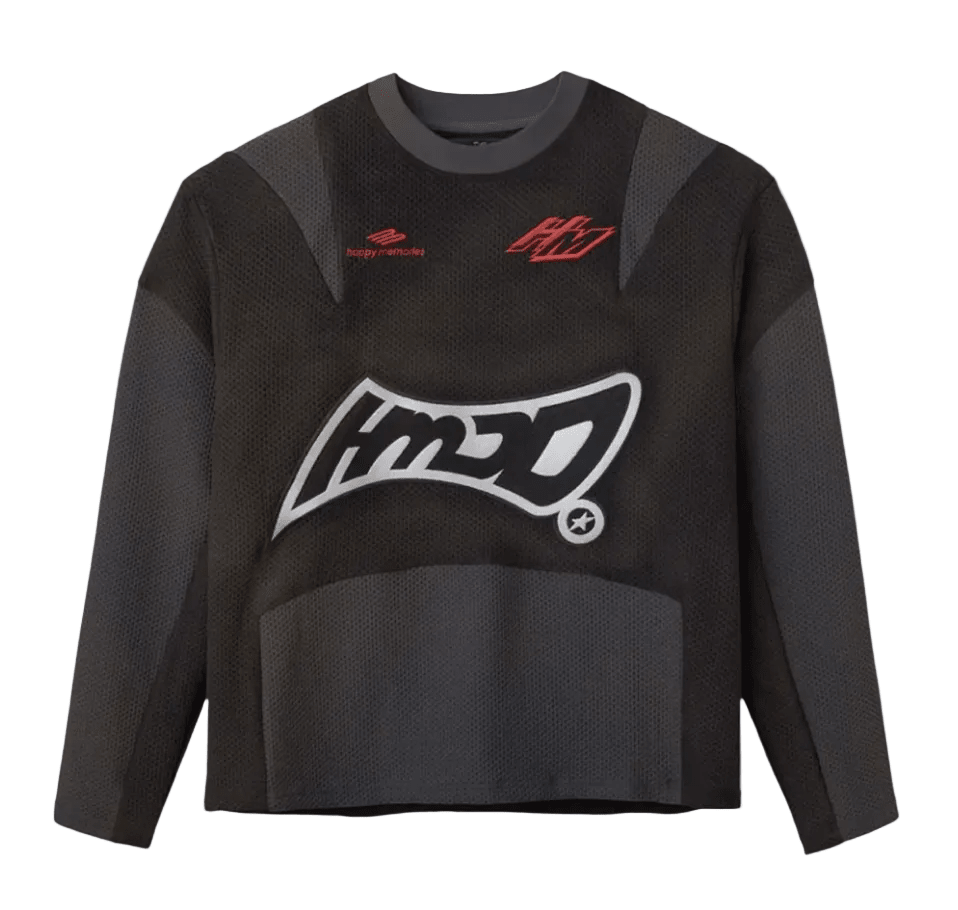
HMDD, short for Happy Memories Don’t Die, has built its name on a philosophy rather than a logo. The brand treats clothing as a vessel for nostalgia, and every collaboration it enters becomes a test of whether that idea can survive contact with another creative voice. When two brands merge visions, one of them usually bends. With HMDD, the bending tends to happen carefully, because the phrase “happy memories don’t die” is not just a tagline — it is the entire reason customers return. Collaborations force the label to answer a harder question than “what does this look like?” It has to answer “does this still feel like us?” That tension is exactly why HMDD’s partnerships matter more than a typical streetwear crossover.
The majority of fashion joint projects exist to borrow attention. After a smaller label partners with a more prominent name, it gets a surge in traffic — and then it moves on. In reality, the way HMDD does this comes across as set apart. Instead of going after the loudest name available, the brand usually pick collaborators who carry an emotional tone that’s wistful, nostalgia-fueled, and quietly rebellious. That selectiveness shapes how the identity remains consistent across releases, and it’s worthwhile to break down modern streetwear in detail.
How Come Joint Projects Serve as a Core-Identity Pressure Test
Preserving a brand’s identity works best when it operates without partners. Material decisions, graphic placement, and fit decisions all stay inside one team’s control. Trade-offs begin to accumulate the moment a new creative partner enters. HMDD clothing has built its reputation around distinct markers: distressed graphics, oversized silhouettes, and text treatments that reference memory, loss, and time. A collaborator with a sharper, more commercial aesthetic could quickly reduce those signals into something blander.
Right here is where restraint emerges as a tactical advantage. Community members and reviewers alike have noted that collab releases preserve the brand’s essential design identity: identical material heft, a matching distressed-print process, and matching sentimental naming found on tags and inserts. Such consistency doesn’t happen by chance. It suggests an governing standard: partners are free to adjust color or silhouette, but that core emotional current goes unchanged.
Consider the alternative. If HMDD released a collab hoodie with bright, glossy branding and zero reference to its usual themes, longtime buyers would notice within seconds. The brand’s audience isn’t drawn in by trend-chasing; they’re drawn in by specificity. A single misstep — one collection that feels like merchandise rather than memory — could cost more trust than any short-term sales bump would repay.
Discovering Via Partnerships What HMDD’s Own Design Language Truly Represents
Stylistic tendencies that might under other circumstances go overlooked get spotlighted by each joint release. When HMDD works with an outside partner, particular signatures recur across nearly every release: dense cotton foundations (usually in the 280–400 GSM range for hoodies and sweatshirts), boxy shapes, and hand-distressed or tonally washed finishes that lend each piece a lived-in quality rather than a off-the-rack one. HMDD’s sweatpants line makes the pattern most obvious — an easy, tapered fit, ribbed cuffs, and a textile touch that leans toward comfort over sharp tailoring.
HMDD shorts follow a similar logic. Rather than treating shorts as a filler category, the label carries over the same distressing techniques and type treatments used on top-layer garments, so that a full seasonal drop feeling cohesive instead of disjointed. That consistency across categories — hoodies, sweatpants, shorts, tees — is part of what makes people search specifically for “best hmdd clothing” rather than defaulting to a run-of-the-mill streetwear alternative.
- Material density stays thick and solid, even in summer-suited pieces like shorts.
- Type styling relies on scrawled or distressed-stencil styles instead of crisp sans-serif logo work.
- Hue selections gravitate to washed-out blacks, softened greys, and dulled earthy hues over vivid colors.
- Graphics nod to nostalgia, transience, and the passage of time rather than pure logo placement.
When a collaborator enters this world, they’re effectively required to adopt HMDD’s design vocabulary rather than asserting their own identity. That’s a harder ask than it sounds, and this is exactly why not every pitched collaboration makes it to production.
The Business Logic Behind Selective Partnerships
Streetwear’s market logic prize rarity and penalize excess visibility. A brand that collaborates with everyone ultimately loses distinctiveness in all of them. HMDD’s drop schedule seems to prioritize limited quantities and infrequent collaboration drops rather than a constant stream of co-branded product. This rhythm serves a double purpose: it protects perceived exclusivity, and it allows the design team the time needed to ensure each release still feels distinctly HMDD.
Worth noting too is the pricing strategy at play. Streetwear collab items usually cost more than regular catalog pieces — commonly priced 15–30% higher — due to greater manufacturing complexity, smaller runs, or co-branding expenses. Shoppers who look up an “hmdd review” before purchasing frequently cite value-for-money as decisive, so any partnership that increases cost without a matching bump in perceived quality is more likely to draw complaints than compliments.
That’s the reason the most astute fashion collaborations operate more as shared research-and-development efforts than promotional gimmicks. Two teams pool techniques — one side might offer a coloring method, the other a cut — and the outcome ought to seem deserved instead of hastily assembled. When that balance works, both audiences convert into fans of the other brand. When it fails, neither group of followers feels prioritized.
Weighing Different Collaboration Strategies
To understand where HMDD positions itself relative to typical streetwear collaboration playbooks, it helps to weigh a few standard approaches adopted across the industry in 2026. The chart that follows breaks down three broad collaboration styles seen in the larger streetwear space, unconnected to specific named partners.
| Collaboration Style | Main Objective | Usual Drop Scale | Threat to Brand Character |
|---|---|---|---|
| Repeated co-branding | Boost visibility and traffic | Sizable, recurring batches | High — brand character weakens with too much visibility |
| Standalone hype drop | Quick sales spike | Extremely scarce, single run | Medium — impact fades once trend passes |
| Carefully-chosen, ethos-matching partnership (HMDD’s usual pattern) | Strengthen core identity while reaching adjacent audiences | Sparing, rare | Minimal — collaborator conforms to brand language rather than supplanting it |
That third row is where HMDD’s collaborations tend to land. There’s little sign the brand wants to saturate its calendar with joint releases. Instead of that, each partnership looks crafted to answer a particular creative question — a new fabric finish, an unexplored color story, a new take on distressing — while leaving the emotional core of “happy memories don’t die” completely preserved.
Why This Matters to Shoppers in 2026
For those weighing HMDD against other up-and-coming streetwear names in 2026, collaborations offer a handy litmus test. If a co-branded item still feels distinctly HMDD — same fabric weight, same worn typography, same emotional resonance — that signals the brand’s identity is solid enough to survive growth. If future drops start feeling interchangeable with whichever partner is attached, that counts as a warning sign worth watching.
Shoppers researching HMDD sweatpants, HMDD shorts, or any collaboration piece should keep an eye on a few useful details before buying: fabric weight noted within the product description, whether sizing runs standard-fit or oversized by design, and whether the piece is part of a numbered or limited run. These details matter more in collaboration releases than in regular catalog drops, since collaboration pricing tends to run higher and expectations rise accordingly.
At the end of the day, HMDD’s collaborations function as identity checkpoints rather than purely marketing events. Every partnership tests whether HMDD can expand its audience without sacrificing the distinct, nostalgia-driven feel that earned it a following in the first place. So far, the pattern suggests a brand more interested in protecting its voice than chasing every available spotlight — and for a label built entirely around emotional resonance, that discipline may be its most valuable asset heading further into 2026.

© 2022 Pyramid Hardware Limited. Designed by Ibabaza Media Ltd